Chapter 1: Pre-Semester Prep
Time is Your Most Valuable Resource
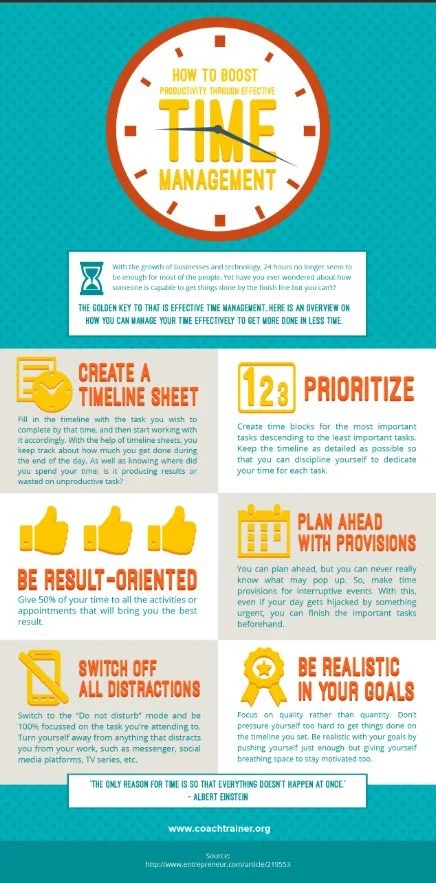
You’ve gathered your course information, set up your logins, and organised your space. Now comes the part that actually makes or breaks your study success: planning your time.
Here’s the truth: you can have all the resources in the world, but if you don’t plan when you'll actually USE them, nothing gets done. And I’m not talking about some ideal fantasy schedule - I’m talking about realistic planning that fits YOUR actual life.
Why Time Planning Matters
When I started at Level 1, I had all the time in the world. I spent 2 years fully immersed in study and te ao Māori in Heretaunga. No job, no major commitments - just learning.
By Level 5, I was working part-time, living at home with my parents (at 35 - yeah, that was humbling), and studying full-time at UC. My time had to be planned around work shifts.
By Level 7 (Honours), I was Tumuaki of Te Akatoki, Head RA for Unihall, tutoring part-time, AND studying full-time. Every hour had to count.
By Level 9 (PhD), I was teaching across two campuses, managing a relationship and a whanau household. My scholarship had ended, so I was broke and stressed.
The point?
Your life circumstances will change. Your time management strategies need to adapt to them. What worked at one level won't necessarily work at the next. Be open to new study practices to uplift your learning game!
Step 1: Create Your Master Calendar
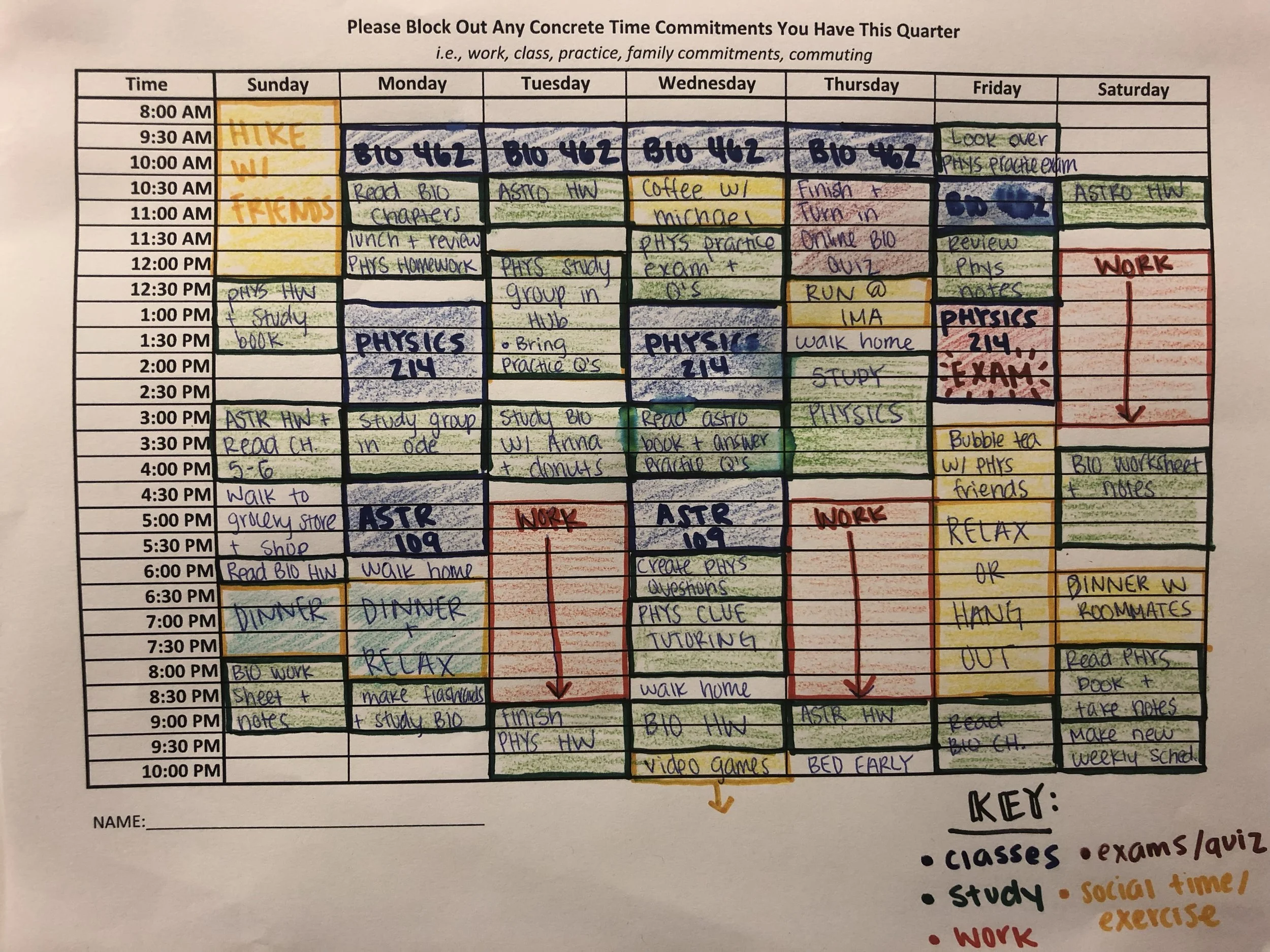
You need ONE place where EVERYTHING lives - not just study, but your entire life.
Digital options:
Google Calendar (syncs across devices)
Outlook Calendar
Apple Calendar
Notion calendar
Why digital? Because it syncs. You can access it from your phone, laptop, tablet. You can set reminders. You can color-code. You can move things around without crossing out and rewriting.
What goes in your master calendar:
Class times and locations
Assessment due dates
Work shifts
Whānau obligations (tangi, hui, birthdays, family gatherings)
Community commitments
Appointments (doctor, dentist, etc.)
Self-care time (yes, this counts!)
Step 2: Color-Code Your Life
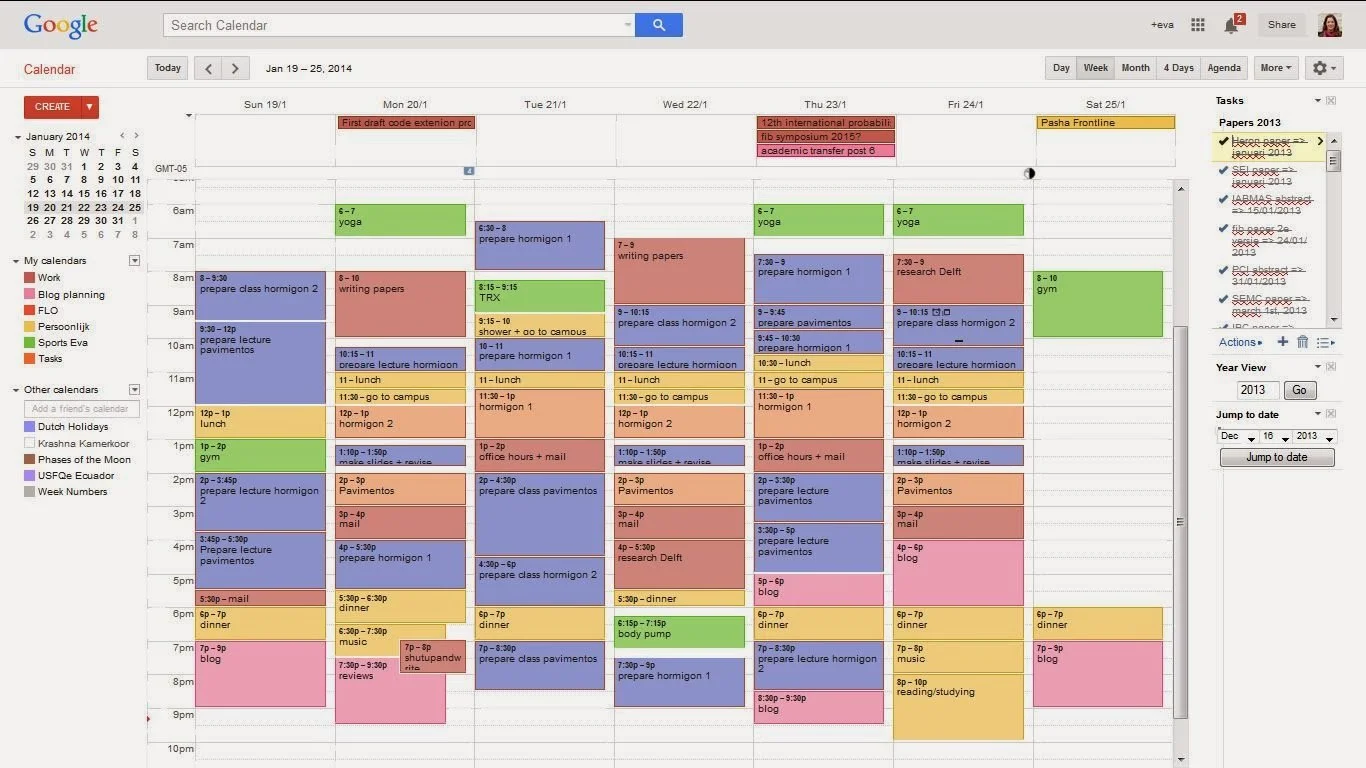
This is where things get visual and your brain can actually SEE what your week looks like.
Assign colors to different areas:
Study/classes (one color)
Work (another color)
Whānau/community (another color)
Personal time (another color)
Why this matters: When you look at your calendar, you can instantly see if your week is balanced or if you've overcommitted. If everything is purple (study) with no green (personal time), you know you're heading for burnout.
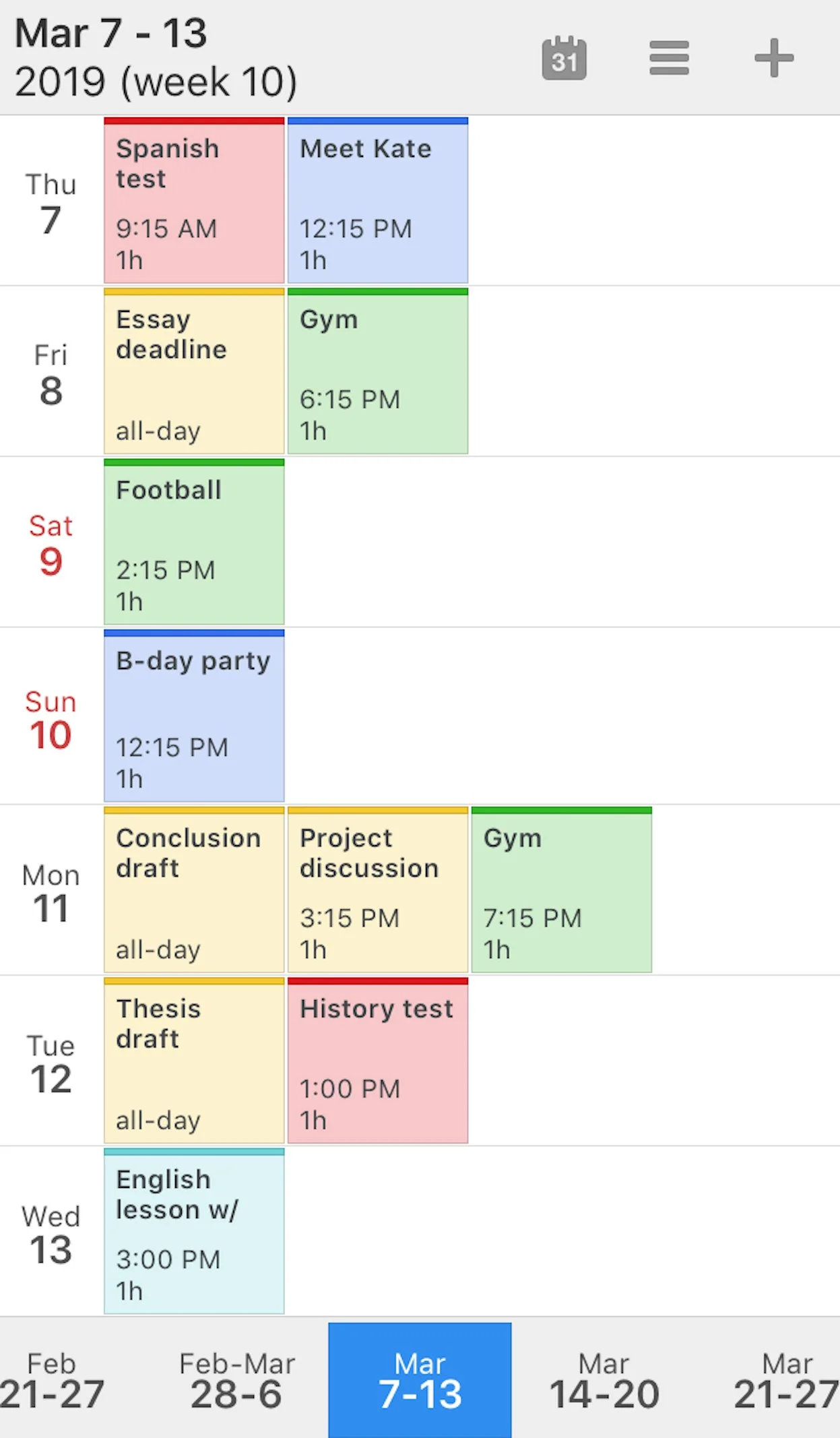
Fixed commitments first:
Class times
Work schedule
Regular whānau commitments
Sleep (yes, block this out!)
Then add study blocks:
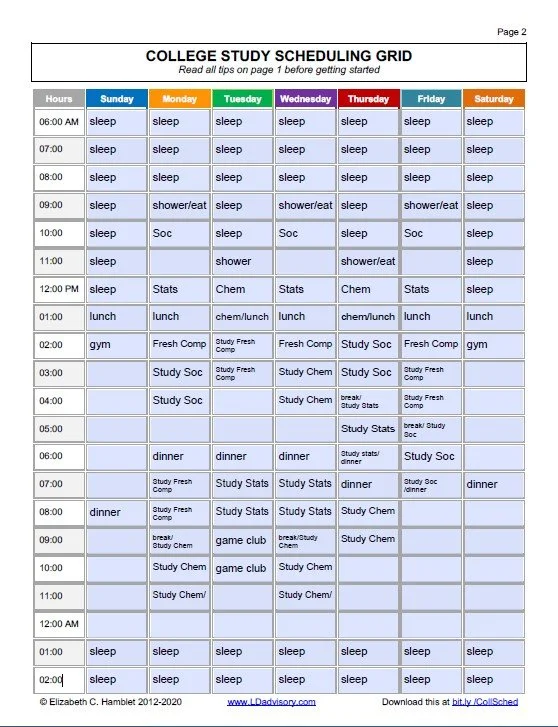
Aim for 2-3 hour blocks when possible (with breaks)
Schedule them when you're actually productive (don't force yourself to study at 6 am if you're not a morning person)
Include buffer time between commitments
The 2-hour rule:
For every 1 hour in class, plan 2 hours of study time outside class. So if you're taking;
4 papers at 3 hours per week each
= 12 hours in class
= 24 hours of study time
= 36 total hours.
That's almost a full-time job JUST for study.
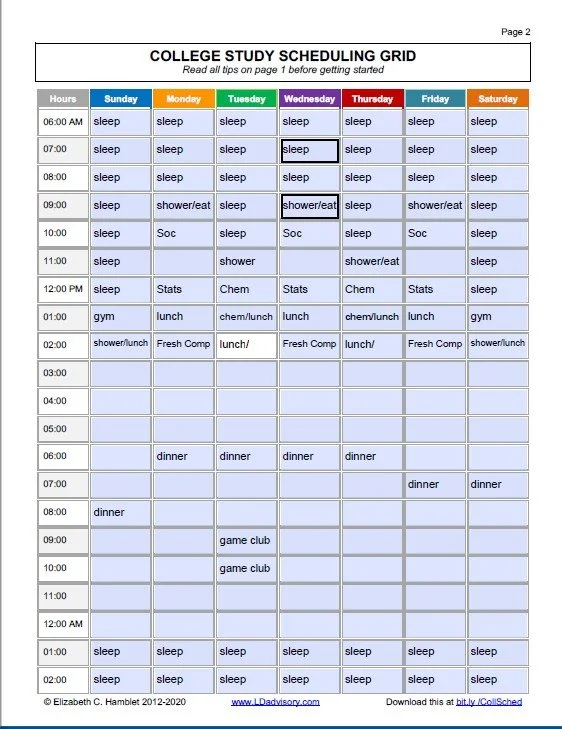
Step 3: Block Out Your Weekly Schedule
Now that you have your master calendar set up, it's time to create your WEEKLY TEMPLATE - your ideal week that repeats.
Step 4: Map Your Assessment Deadlines
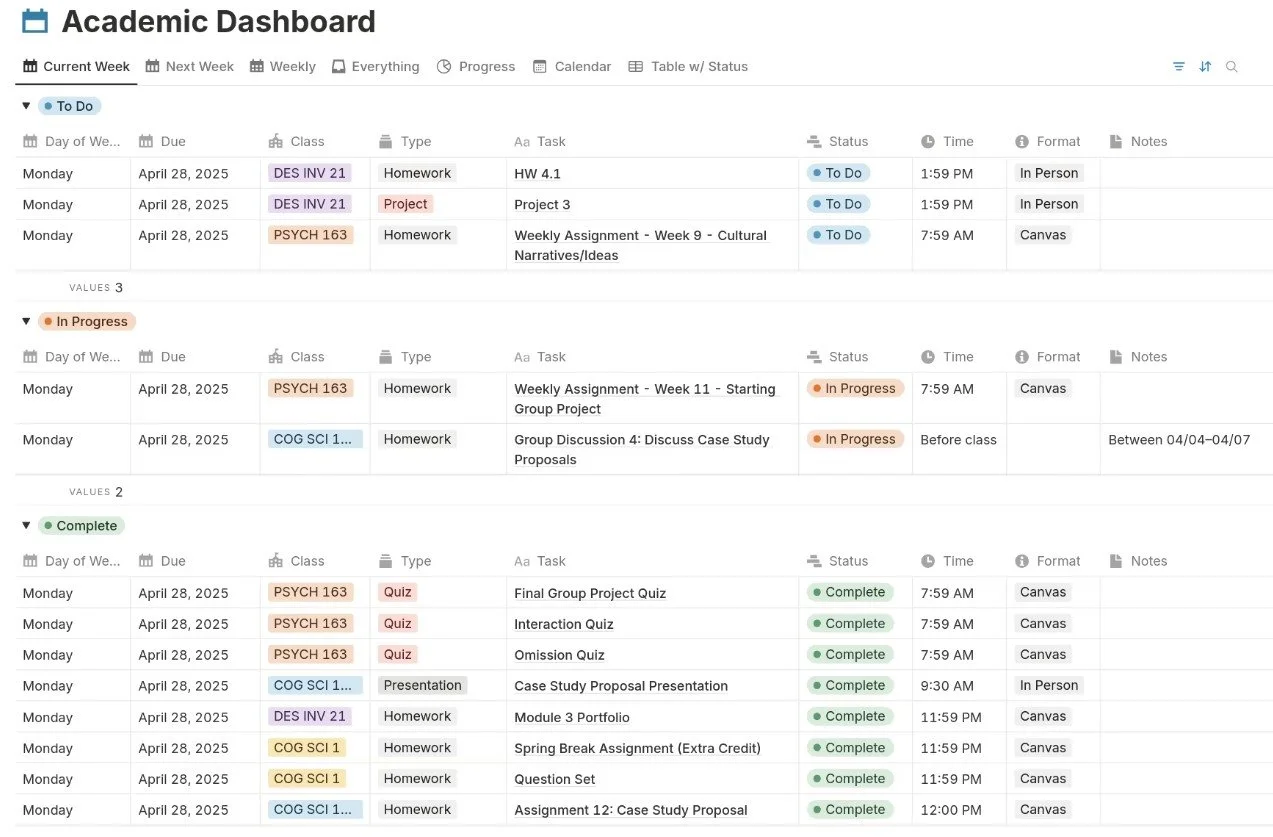
Each course has its own handbook or outline, providing all necessary information relating to assessments, course content, and contacts. Using the course outline, find the assessment details for each course.
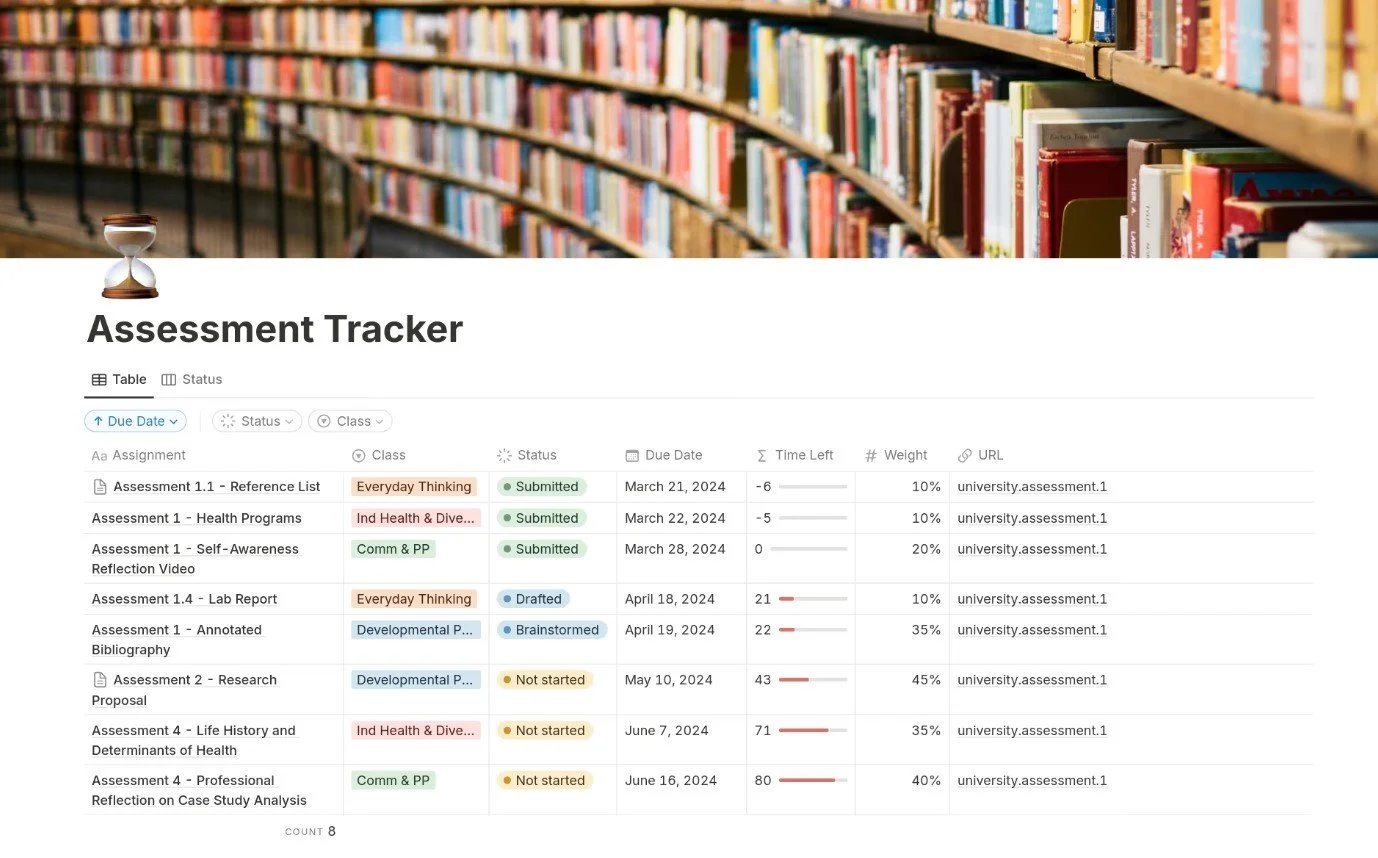
Assign each course a different colour, making sure to note down the course code, type of assessment, assessment weighting, and due date in your calendar system. If you are working across multiple devices, ensure your colour coding is consistent between platforms.
For my digital haumis, try Notion - an online task organiser and tracker site that has a decent amount of free templates that are all fully customisable. If you take the time before your classes start to create your academic dashboard, then during the semester you are maximising your time without compromising on learning, earning, or hauroa!
Note any assessment pinch points, where multiple assessments are due within the same week or even on the same day.
The weekly quiz can be done within a week; a research essay generally requires more than seven days, especially if you are unfamiliar with academic research and writing processes.
For good measure, plan to begin your larger assessment pieces approximately three weeks before the submission due date; this will serve as your starting date. Each week represents the three skillsets of the academic writing process: researching, drafting, and proofreading. Your assessment submission demonstrates your mastery of academic writing for the course.
Week 1 Research
Spent brainstorming, reading, and making notes in connection with the assessment guideline and the research question. At the end of this first week, you should have an A4 page of headings, sub-headings, and bullet points, walking the reader through each step of your argument and supported by academic sources. This A4 page forms the structural foundations of your assessment piece, the skeleton of your argument. If you use Post-It Notes on your wall to figure out your argument, you can easily change them up or move them around as a way of creating ‘flow’ in your writing. Visually, they are a strategic learning device.
Week 2 Full Draft
Use the pre-formed ‘styles’ in Microsoft Word to create the headings and sub-headings in your first draft. Try writing the essential body paragraphs first, then the conclusion, and lastly the introduction. Use bullet points underneath your headings to place-hold thoughts and ideas that come up as you write. Try to stay focused on crafting the current paragraph. Do a close read over your full draft from the perspective of the reader. Ask yourself:
Does the argument have clarity? Or is it clunky?
Has the argument woven in appropriate academic evidence?
Is the argument concise? Or does it waffle on?
Identify the parts that need refining and work through them one at a time.
Week 3 Proofread
The week of submission is the time for proofreading and formatting references. Print it out and read aloud to yourself so you can spot any punctuation or grammar errors. Re-read the assessment guidelines to ensure that you have addressed all the requirements. Ensure all your references, both in-text and in the Reference list, are formatted in the correct style throughout your work.
So, if an Arts101 40% essay is due in Week 12... then:
Weeks 8 & 9 Research ARTS101 40%Essay
Week 10 Full Draft ARTS101 40%Essay
Week 11 Polish ARTS101 40%Essay
By adding each of the larger assessment milestones to your calendar, the likelihood of being unable to submit is significantly reduced.
Step 5: Build in Flexibility
Life happens. Your car breaks down. Someone gets sick. There's a tangi. You need mental health days.
Leave space for:
"Catch-up" days each week (don't schedule every minute)
A buffer week before major deadlines
Flexibility around important whānau dates
My rule: Never schedule yourself at 100% capacity. Aim for 80%. That 20% buffer is your sanity.

Quality Admin Tools
Calendar
Google my entire life in one place, EVERY class, tutorial, quiz, assessment start and due dates, term breaks, whanau birthdays, and medical appointments. Every day I was able to prioritise my daily tasks without compromising study, work, or Family.
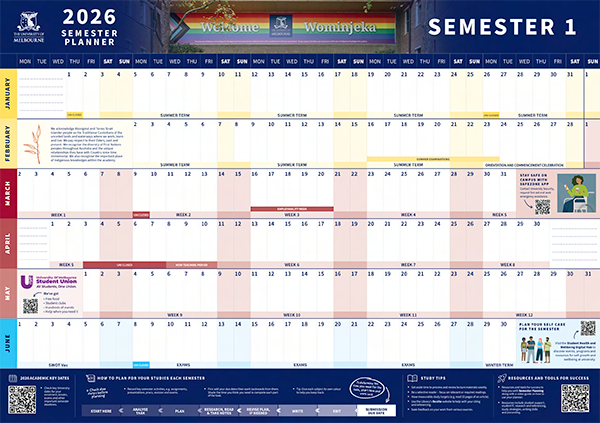
A0-size Wall Planner: I put all my assessment dates for the whole semester/year across all of my courses. Colour code each course, so at a glance you can quickly ascertain which courses have assessments due. Add the weighting of the assessment for the course, allowing you to prioritise the 40% essay over the 1.5% quiz when you have due dates for different courses and assessments.
Daily Action Lists – This is a game-changer. Set the daily/nightly routine of checking your Google calendar and your wall calendar. Any upcoming assessment pieces can be allocated study time during class breaks at Uni. Tasks that are completed can be crossed off, and uncompleted tasks are rolled over to the next day. This method/practice ensures that you can micromanage your assessments to fit in with your class schedule and chip away on assessment pieces rather than binge-studying the 48 hours before final submission!
A5-sized Hardcover Notebook – I wrote all my class notes in the same unlined notebook, using different coloured pens for the different courses. I then annotated my writings with sticky notes, keeping all the thoughts together was super useful for test and exam revision.
Phone alarms - to remind me to switch tasks or take breaks
Sunday planning sessions - 30 minutes to review the week ahead
Notion - for longer-term planning and project tracking (PhD level)
MIRO/Mural – Online Whiteboard platforms, that are invaluable for facilitating online workshops, coordinating the members of a group project, or making interactive presentation materials.
Speechify - A Subscription service that turns PDFs into audio files. I chose Snoop Dogg to read my ancient Greek philosophy texts, a novel way to engage with incredibly dense source material!
Your Turn: Action Steps
Set up your master calendar (digital is best)
Color-code different areas of your life
Add ALL assessment deadlines from your course outlines
Block out your weekly template (classes, work, study time, whānau time)
Work backwards from deadlines to create milestones
Schedule ONE "catch-up" block each week
Knowledge Nuggets:
Planning your time isn't about being perfect. It's about being intentional.
You won't stick to your schedule 100% of the time. That's okay. The goal is to have a PLAN so that when life happens, you know what you're adjusting.
Your time is precious. It's limited. It's yours. Use it wisely.
In the next section, we'll talk about actually STICKING to your plan - the discipline, consistency, and strategies that make all this planning actually work.
Mauri tū, Mauri ora!
[Download: Lesson 2 Workbook - Weekly Schedule Template, Assessment Timeline Planner, Color-Coding Guide]

-
Add a short summary or a list of helpful resources here.