Chapter 1: Pre-Semester Prep
Discipline is Doing It Even When You Don’t Feel Like It
You’ve gathered your resources.
You’ve set up your calendars and planned your time.
You know WHAT you need to do and WHEN you need to do it.
Now comes the hardest part: actually doing it.
Here’s the truth nobody tells you: motivation is unreliable. Some days you’ll wake up excited to study. Most days you won’t. And that’s okay - because success doesn’t come from motivation, it comes from discipline and consistency.
Discipline is showing up even when you’re tired, even when Netflix is calling, even when your friends are going out, even when the assignment feels impossible.
But discipline doesn’t mean grinding yourself into the ground. It means having systems and strategies that make it easier to do the work, even on hard days.
The Foundation: Routine and Consistency
When I started at Level 1, I had no idea what I was doing. I’d study “what was interesting to me” - which meant I’d start off learning kupu and end up watching kapahaka brackets on YouTube! Upgrading my poi skills WHILE listening to fluent performers? Well, that’s effective multi-tasking, right?
Technically, I was doing multiple study tasks, learning kupu and waiata through immersing myself in language acquisition.
Realistically, my study habits were based off vibes, not strategy. Mimicking videos was an engaging practice at home. But in public? My left-handed poi performances would have benefited greatly from structure and discipline. What I lacked in skill, I made up for with unbridled enthusiasm.
By Level 5, I learned that routine beats motivation every single time.
My non-negotiables:
A set routine each day (even weekends) meant that my part-time job determined what my study schedule looked like each semester
Study blocks at the same time each week during term-time
Daily action list check-in (morning and night)
Weekly planning sessions (30 mins to map the week)
Why routine matters: Your brain stops fighting you. When 9 am = study time, your brain just... does it. You’re not negotiating with yourself every day about whether you “feel like” studying. It’s just what happens at 9 am.
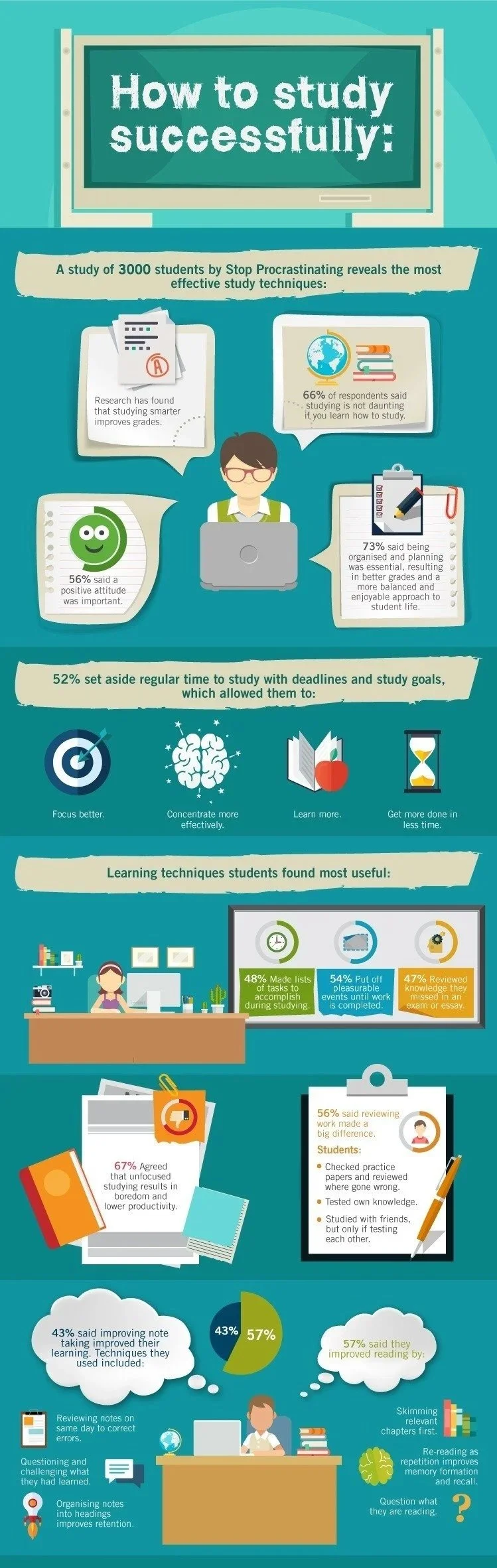
Strategy 1: Start Small, Build Momentum
Don’t try to study for 8 hours on day one. You’ll burn out by day three.
Instead:
Week 1: 30-minute study blocks
Week 2: 45-minute blocks
Week 3: 60-minute blocks
Build up to 90-120 minute blocks over time
The “just 10 minutes” rule: On days when you absolutely cannot face studying, commit to just 10 minutes. Set a timer. Often, once you start, you’ll keep going. But even if you don’t - 10 minutes is better than zero.

Strategy 2: Do the Mahi, Get the Treats
Rewards matter. Your brain needs positive reinforcement.
My reward system:
Finish a study block → Play Redecor on my phone and submit a design
Complete a draft → Queen Anne Chocolate Fish
Submit an assignment → Uber Eats
Pass an exam → Visit the campus bookshop & buy a new book
Important: The reward comes AFTER the work, not before. And the reward shouldn’t undermine your goals (don’t reward finishing study with an all-nighter binge-drinking session).




Strategy 3: Accountability Systems
Studying alone is hard. Having people who know what you're working on makes it easier to show up.
My accountability systems:
Study buddies (even just texting “starting now” and “finished” keeps you honest)
Regular check-ins with supervisors/tutors
Whānau who knew my goals and would ask, “How's it going?”
Online study communities (PhD students on Twitter/X, study Discord servers)
At PhD level: My supervisors expected chapter drafts by certain dates. That external deadline kept me accountable when my own motivation flagged.
Strategy 4: Track Your Progress (Visibly)
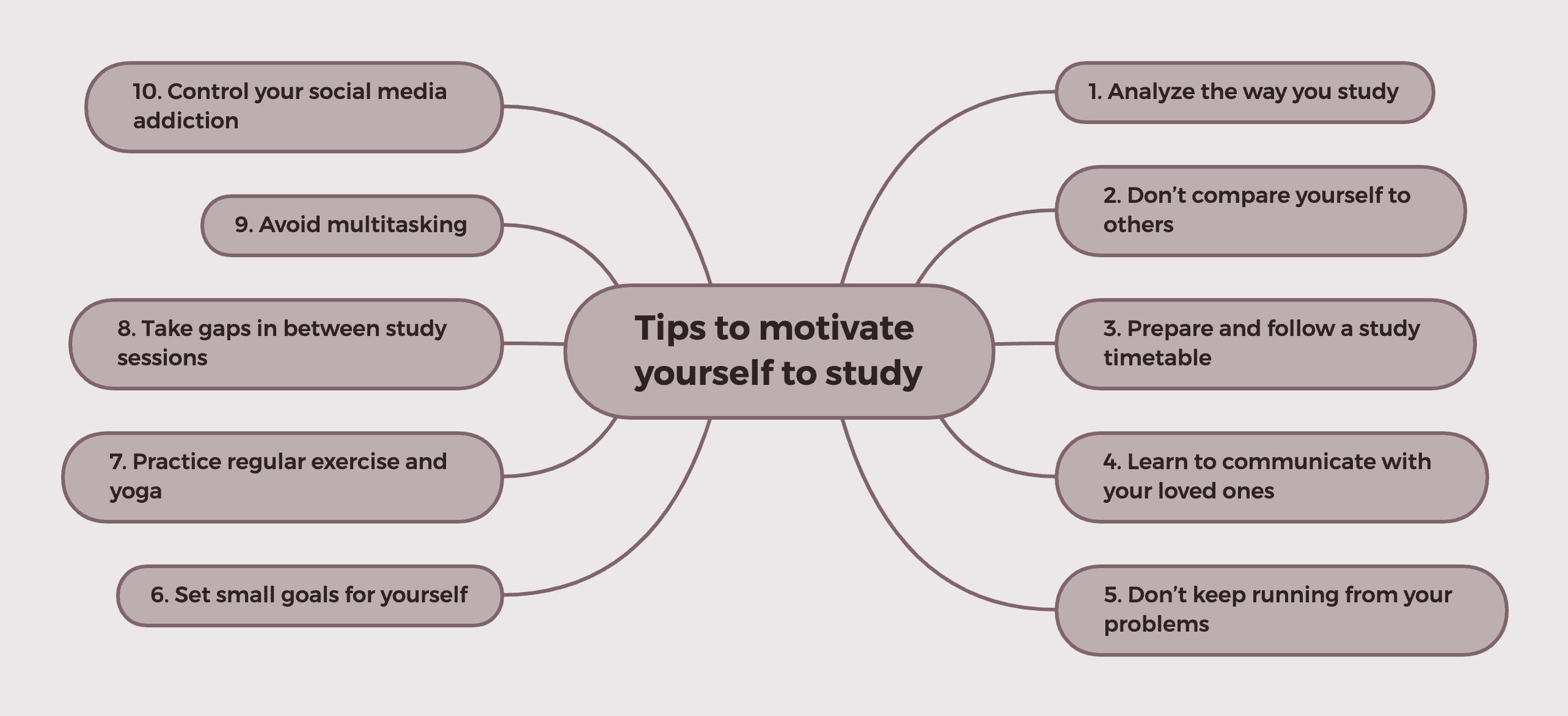
Post-it notes everywhere. Seriously.
Post-its on my wall with tasks for each assignment
Move them from “To Do” → “In Progress” → “Done”
Physically moving a Post-it gives you a dopamine hit and visual progress
Other tracking methods:
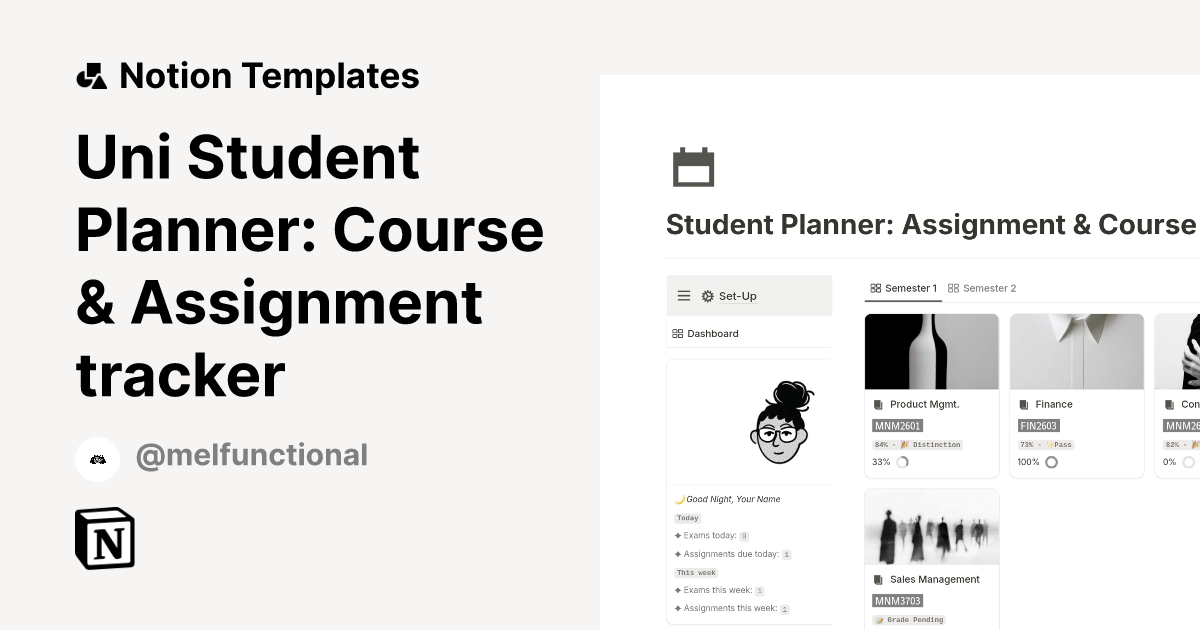
Assignment tracker apps (check off each study session)
Spreadsheet with your assessment progress (% complete)
Physical calendar where you X out each study day (don't break the chain!)
Why this works: You can SEE that you're making progress, even when it feels slow. On bad days, you can look back and say, “I’ve done this 47 days in a row, I can do one more.”
Strategy 5: Research Diary / Reflective Practice
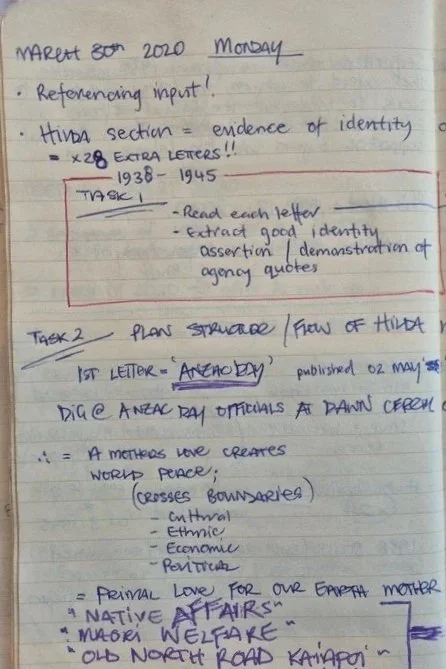
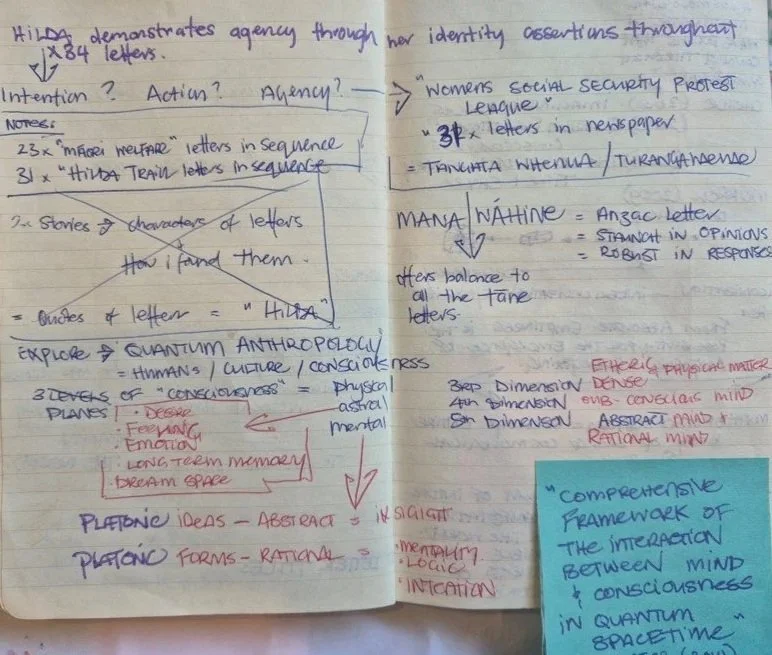
From Honours onwards, I kept a research diary. Every study session, in my own words, I would capture:
Date and time
What I worked on
What went well
What I’m stuck on
Next steps
Why this matters:
You don’t lose your train of thought between sessions
You can track patterns (I study best in the morning, Fridays are terrible for focus, etc.)
You have evidence of your thinking process (useful for reflective assignments)
When you’re stuck, you can look back and see how you got unstuck before
At the undergraduate level: Even just a simple bullet journal with “what I did today” helps you see your progress and identify what’s working.
Strategy 6: Version Control and File Management
This deserves its own lesson (and we’ll cover it more in Chapter 3), but it’s part of your learning strategy:
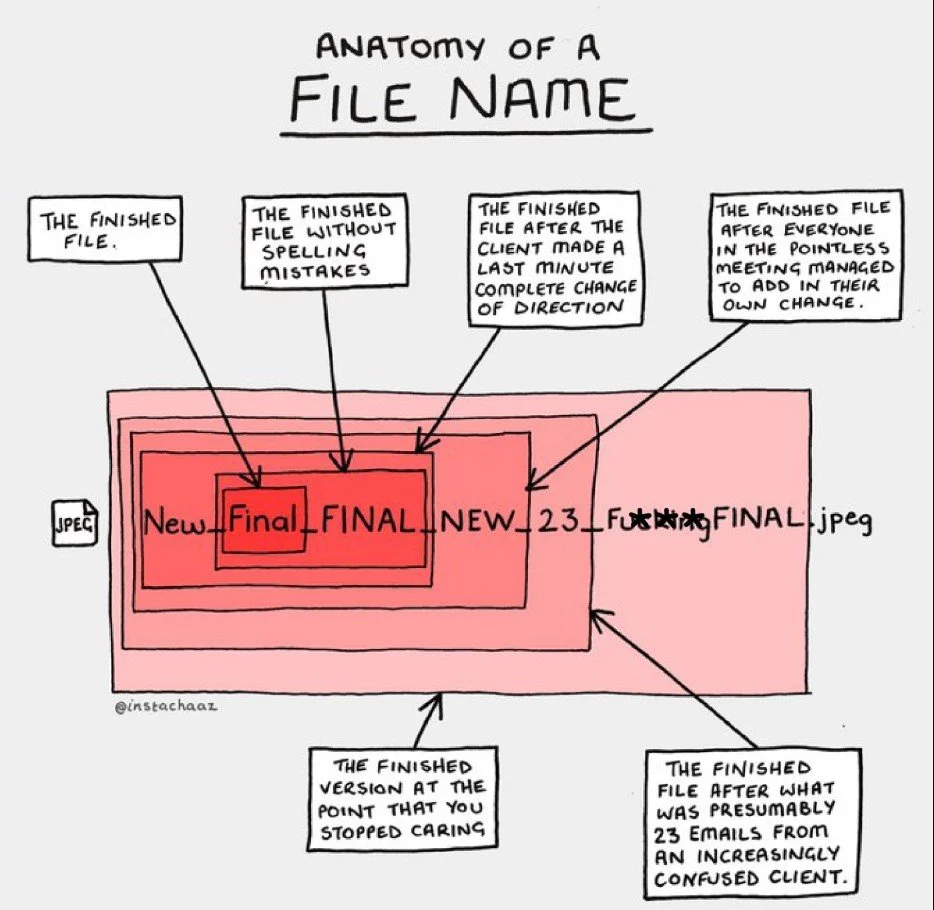
My preferred naming conventions for files: Course code, Assessment, Version, Date
MAOR108_Blog DRAFT_V1_02-JAN-2026
MAOR108_Blog FULL DRAFT_V1_24-JAN-2026
MAOR108_Blog _FINAL_02-FEB-2026
Why: You’ll want to go back to earlier versions. You’ll accidentally delete something. You’ll need to show your supervisor your progress. Trust me on this.
Backup everything:
Google Drive (auto-sync)
External hard drive
Email drafts to yourself
All of the above
I lost work ONCE when my laptop died. Never again!
Low-Hanging Fruit Tasks
❌ Mistake:
“I’ll start tomorrow when I'm more motivated.”
✅ Fix:
Start today for 10 minutes. Motivation follows action, not the other way around.
Before any writing session, you need to warm up by tackling smaller assessment tasks to get your neurons firing. The easiest way to do this is to have a prepared action list. These are your low-hanging fruit tasks. Starting and ending your study sessions with these will make your available time more efficient. You can maximise this sustained focus by designating different sessions to different assessment pieces.
At the end of any writing sessions, you need to warm down and make bullet points of:
where you are up too?
what your next thoughts on?
any academic references that need sourcing?
are your library books ready to collect?
Low-hanging fruit tasks are different to general ‘To Do’ lists. They are specific to their assessment. So when multiple large assessments from different courses are all due at the same time, alongside your normal class load, family and work commitments, amidst all the chaos will be your action lists, warming you up and warming you down for every session.
Your Turn: Action Steps
Choose ONE routine to establish this week (e.g., same wake-up time, Sunday planning session)
Set up a reward system for completing study tasks
Find ONE accountability person (friend, classmate, family member)
Start a simple progress tracker (post-its, tracker app, or bullet journal)
Create a file naming system and backup plan for your work
Try using the “Low-Hanging Fruit Tasks” to start & finish each study session
Knowledge Nuggets:
Discipline is a muscle. The more you use it, the stronger it gets.
You don’t need to be perfect. You just need to be consistent.
Small actions, repeated daily, create massive results over time.
Your learning strategy will evolve as you progress. What worked previously might not work now, and that’s okay.
Be kind to yourself. This is hard work. You're doing it.
In Chapter 2, we’ll dive into the actual assessment process - how to brainstorm, structure, write, and edit your work using proven frameworks.
Mauri tū, Mauri ora!


-
Add a short summary or a list of helpful resources here.